Predistributive Structures + Approaches

Overview

This lever operationalizes the reformed analytics by advancing concrete mechanisms—broadened equity-linked compensation and profit sharing, multi-stakeholder governance, living wages, and better capital access for SMEs and overlooked regions—that distribute risk, return, and influence to those who create value. This workstream demonstrates how the corrected risk-return analysis from workstream 2, informed by the inequality dynamics identified in workstream 1, makes these structures financially attractive to mainstream investors rather than niche impact investments.

Projects and Publications

A Spanish lesson in ownership and voice

As employee ownership gains traction across the political spectrum, Tom Powdrill draws on a groundbreaking Spanish initiative to argue that ownership alone isn't enough. Examining the report from Spain's International High-level Expert Committee on Democracy at Work, convened to activate a long-dormant constitutional provision, Tom highlights its two-pillar framework distinguishing ownership (participation in wealth creation) from voice (participation in governance decisions). The Committee's ambitious proposals include minimum equity thresholds of 2–10% for companies based on size, alongside citizen-controlled investment funds that diversify worker wealth beyond a single employer. Tom argues this distinction, that equity participation is not a substitute for collective bargaining or genuine governance participation, should inform how companies, investors, and policymakers everywhere approach broadening economic participation.
Read More

Political turmoil in the UK may have the unexpected outcome of putting the importance of multi-stakeholder governance models back on the policy agenda

In his latest post, PDI Project Lead on Broadening Corporate Governance Participation, Tom Powdrill zeroes in on a timely report from Mainstream — a pro-Burnham Labour faction — titled The Productive State: A Framework for Manchesterism. The report makes a supply-side case for public corporations in energy, water, housing, and transport, but what makes it especially relevant to PDI's work is the governance model it proposes: arm's-length operational independence, workers on boards as a foundational design feature, and democratic accountability running outward to workers and communities rather than upward to ministers. As Tom puts it, corporate governance reform is not merely an accountability mechanism, it is a building block of predistribution.
Read More

Designing broad-based ownership of AI to share power along with wealth

As calls grow for "broad-based ownership" of AI, PDI Executive Director Delilah Rothenberg examines what that should actually look like and why the details of design matter as much as the concept itself. Drawing on PDI's Beyond Ghost GDP research, the ImpactAlpha article argues that solutions like universal basic income or a centralized sovereign wealth fund leave concentrated power unchecked and people dependent on top-down payouts. Instead, Delilah makes the case for direct household wealth-building and governance participation for workers, communities, and content creators, extending the equity-linked compensation long enjoyed by executives to those whose labor and data create value.
Read More

The Business Case for Community Ownership: A Framework for Shared Prosperity

The Business Case for Community Ownership shares frameworks, practical advice, and real-world experience from a 20+ person team of experienced practitioners, investors, and intermediaries. Community ownership can include real estate, business interests, energy assets, and more, when community members collectively establish a vision, participate in governance, and share in profits or benefits. The report includes 10 case studies featuring affordable housing development, commercial real estate investment, specialized loan funds, cost-saving clean energy projects, and other community ownership examples from across the country. Read the report to see how community ownership can empower local decision-making, strengthen small businesses, and ensure that assets and governance remain in the hands of those most invested in their outcomes.
Read More

Inside a conversation with institutional investors on employee ownership and private credit

In March, PDI and Ownership Capital Lab gathered institutional investors — pension funds, family offices, and wealth managers — to explore private credit as a vehicle for financing employee ownership transitions in the lower middle market. The conversation surfaced a compelling thesis: with an estimated $5 trillion in small business value set to change hands by 2035, a structurally undercapitalized market is opening up that offers downside-oriented credit discipline, ESOP tax advantages, and a mechanism for ensuring productivity gains — including from AI — are shared broadly rather than concentrated.
Read More

How workers sit at the heart of long-term value creation, and the case for multistakeholder governance and ownership 

Sustainable Finance Geneva - Interview of the Month

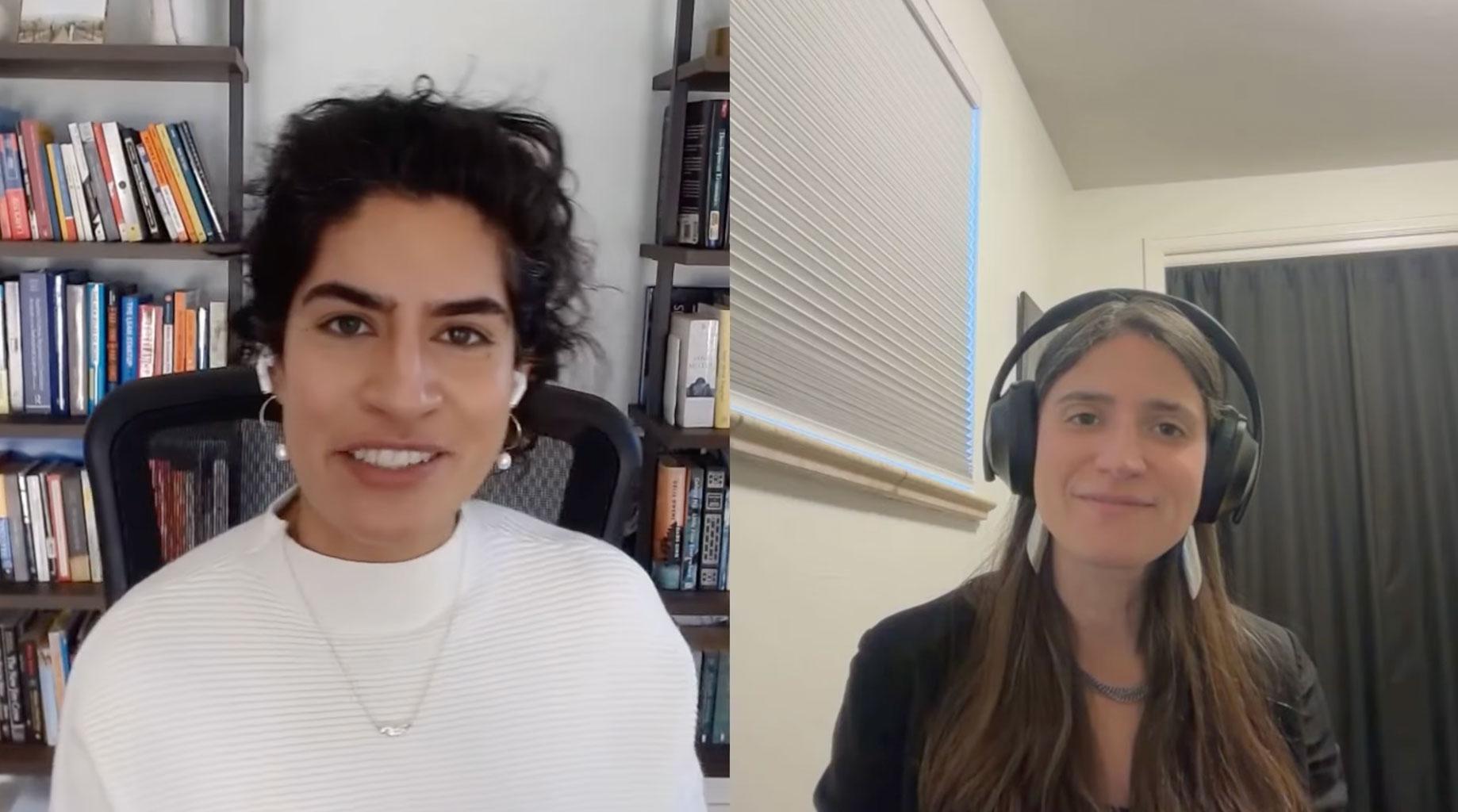
Women Changing Finance podcast - How investment structures can reduce inequality and build long-term resilience

New Private Markets podcast - How can investors better understand and address inequality as a systemic risk?

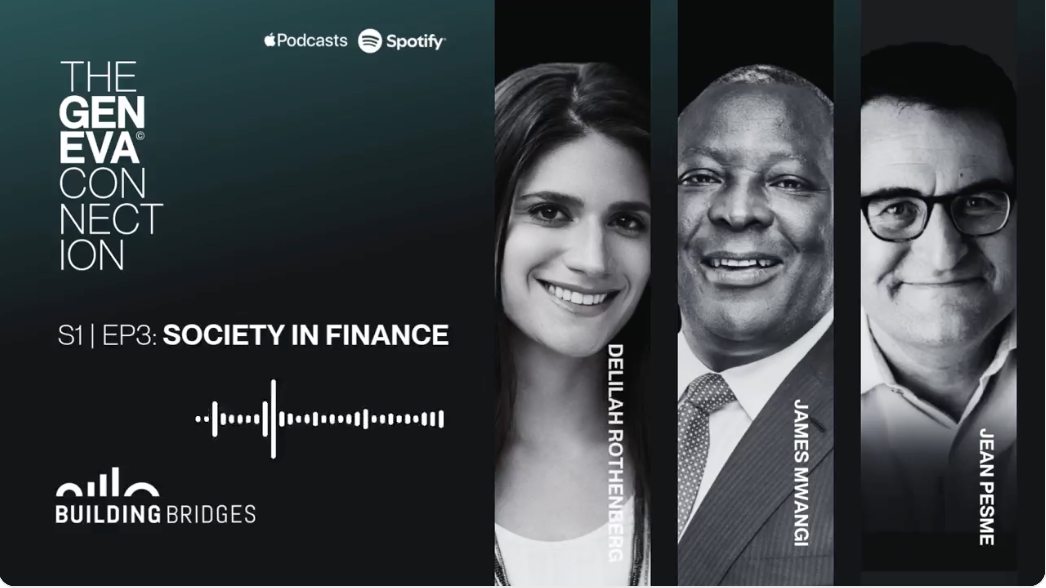
The Geneva Connection - Society in Finance: Bridging Gaps, Shaping Futures

Value Creation Through Responsible Investing: NYU Stern Center for Sustainable Business Private Equity Sustainability Practicum: Value Creation Through Responsible Investing

Virtual Launch of the Taskforce on Inequality and Social-Related Financial Disclosures (TISFD)

Perspectives on Workforce Directors: Opportunities & Challenges

Accelerator for Systemic Risk Assessment (ASRA)- From Multidimensional Challenges to Multidimensional Possibilities: Facing Global Risks Together

UNRISD - Opportunities and Challenges for Integrating Thresholds and Allocations into Measurement and Management Frameworks

The Mindful Marketplace: Neighborhood Economics - Redefining Wealth Distribution with Innovative Financial Models

American Evaluation Association's Social Impact Measurement Topical Interest Group: Using a system lens to assess impact

Investor Playbook for Employee Ownership in Sub-Saharan Africa

It provides a roadmap to pursue employee ownership (EO) across seven countries in the region and offers an analytical approach that could be replicated in other regions where EO remains nascent.

In this Playbook, we discuss how to ensure that programs are accessible to local workers, create near-term benefits, invest in worker engagement and education, leverage the unique resources of each market, and develop the right incentives

Access the complete Playbook here.

Ownership Lens Investing Movement

The Ownership Lens Investing Movement (OLIM) is a practitioner-led platform designed to knit the employee ownership field together and dramatically grow investment that broadens ownership and closes wealth gaps. Three core design principles guide the platform:

  • Bottom-up community of practice
  • Action-oriented working groups
  • Lightweight shared infrastructure

Read the complete OLIM Proposal here.

Opportunities and Challenges of Workforce Directors

Inspired by a collaboration with the UK pension fund, Railpen, this project supports investors and companies in understanding the value of workforce directors in advancing stewardship and governance goals, as well as the mechanisms and tools need to advance such models. Together with the Workforce Directors Coalition – an investor network launched by Railpen promoting this practice – and key investor and corporate networks, we will be conducting a landscape analysis across geographies of best practices, assessing opportunities and challenges, developing case studies and databases (i.e., of workforce directors) and co-creating guidance and frameworks for advancing workforce director effectiveness.

Past Projects

Investing to reconnect financial value wth people, nature and the real economy: an iterative blueprint for capital markets actors, policy makers and regulators

This paper analyses the growing disconnect between financial markets and the real economy, and asks: how can we rebalance Earth and humanity’s balance sheet? It explores the role that actors across capital markets, including investors, policymakers and regulators, can play in in building a more regenerative and inclusive economy that supports the long-term wellbeing of people and nature.

You can read the complete paper here.

Getting Ahead of the Curve on Dynamic Materiality

PDI partners with Oxfam America and Omidyar Network on a discussion paper that is designed to support U.S. investors and their investees in understanding how sharing more wealth and influence with workers and communities can correct market imbalances and support early identification and mitigation of emerging risks.

Specific tools and opportunities are highlighted which can foster more sustainable and responsible value creation and ultimately a more inclusive and thriving economy.

You can read the complete paper here.